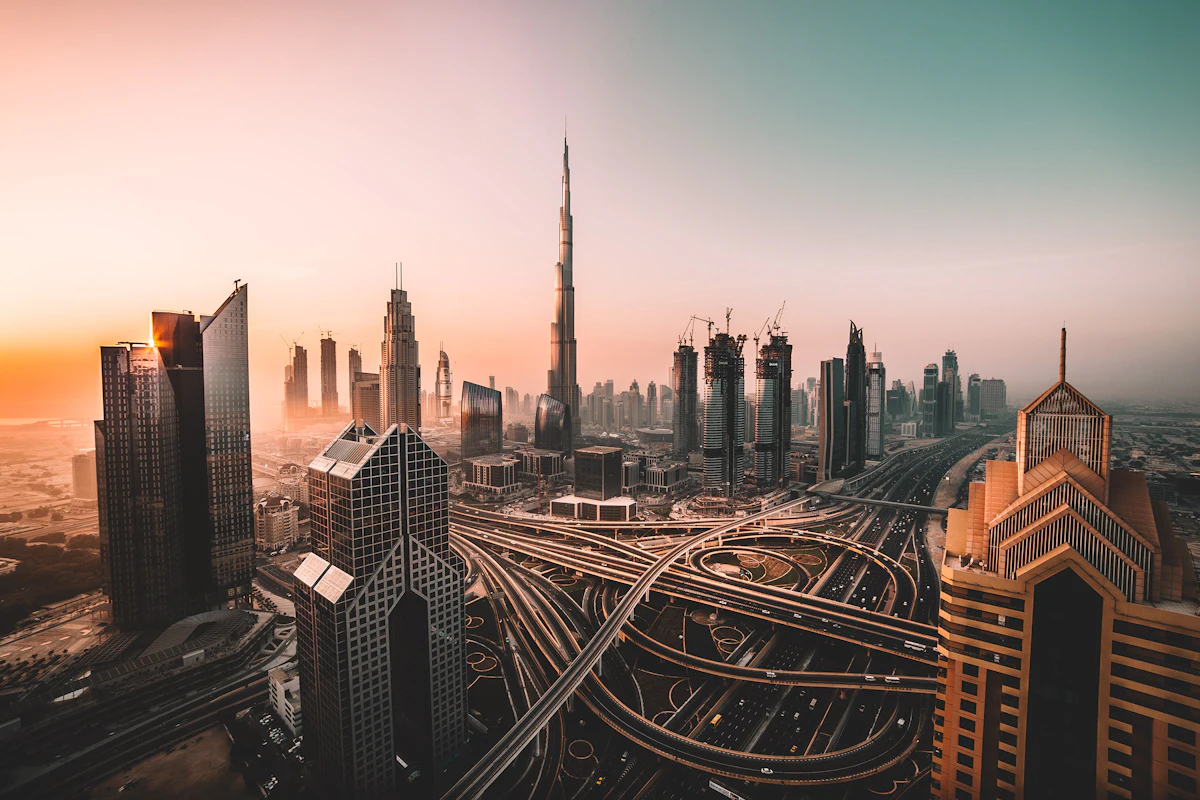
Discover how foreigners can buy land in the UAE: Learn the rules, regulations, and step-by-step process for purchasing property in the Emirates.
Primary insight
Dubai remains a prominent destination for foreign investors, with more than 32% of its property transactions attributed to non-UAE nationals. The emirate's framework allows such ownership under liberal regulations, particularly in designated freehold areas, making it an attractive market for those looking to invest in real estate.
This accessibility, combined with a robust economic backdrop and modern infrastructure, positions Dubai as an optimal choice for affluent investors and expatriates aiming to diversify their portfolios or secure long-term residency.
Who this is right for
Foreign nationals seeking freehold property options for personal residence or rental income.
Investors interested in commercial development opportunities within the UAE’s free economic zones.
Expatriates aiming for a secure, long-term investment in a dynamic real estate market.
Who this is NOT right for
Individuals looking for short-term investment opportunities, as the UAE property market has a longer cycle for returns.
Investors who prefer countries with simpler legal frameworks, as navigating the local laws can be complex without proper guidance.
Key facts
32% of property transactions in Dubai are conducted by foreign buyers.
Freehold land ownership allows full title ownership, while leasehold and usufruct options cater to diverse investment strategies.
Major freehold areas in Dubai include Business Bay, Dubai Marina, and Palm Jumeirah.
Abu Dhabi's freehold zones include key locations such as Saadiyat Island and Yas Island.
Area and market breakdown
The property landscape in the UAE varies significantly across emirates, each establishing its own rules governing foreign ownership. Dubai leads with comprehensive freehold zones, while other emirates like Abu Dhabi and Ras Al Khaimah have also opened up select areas for foreign investors, enhancing the attractiveness of the overall sector.
Is Dubai worth it in 2026?
Looking ahead, the demand for property in Dubai is expected to remain strong, fueled by ongoing economic diversification initiatives and an influx of expatriates. This trend will likely solidify Dubai's position as a hub for both leisure and business investment, contrasting with slower growth markets in Europe such as Spain, which have experienced more stringent property investment regulations.
Merilista verdict
The Dubai property market stands out for its robust growth potential and flexibility for foreigners, especially when compared to European markets where access can be more complicated and costly. Its liberal ownership laws and strategic geographical position make it a prime choice for investors seeking solid returns. Investing in Dubai's real estate not only offers lucrative opportunities but also provides a gateway to a vibrant lifestyle in one of the world's most dynamic cities.
Partner content
Distributed in partnership with our content partner.
Market data disclaimer
Data on Merilista is sourced from publicly available official sources including Eurostat, national statistical institutes, Dubai Land Department, and the Central Bank of Turkey. All market signals, MERI scores, yield estimates, and trend indicators are for informational purposes only and do not constitute financial or investment advice. Property markets are subject to change — past performance does not guarantee future results. Conduct independent due diligence or consult a licensed advisor before making investment decisions.
MERI (Merilista Real Estate Index) is a proprietary comparative model. It is not a certified financial index and should not be used as the sole basis for investment decisions.
Explore this city
Verified market data


Interested in UAE?
Talk to an expert advisor. Free, no commitment.
Browse properties →