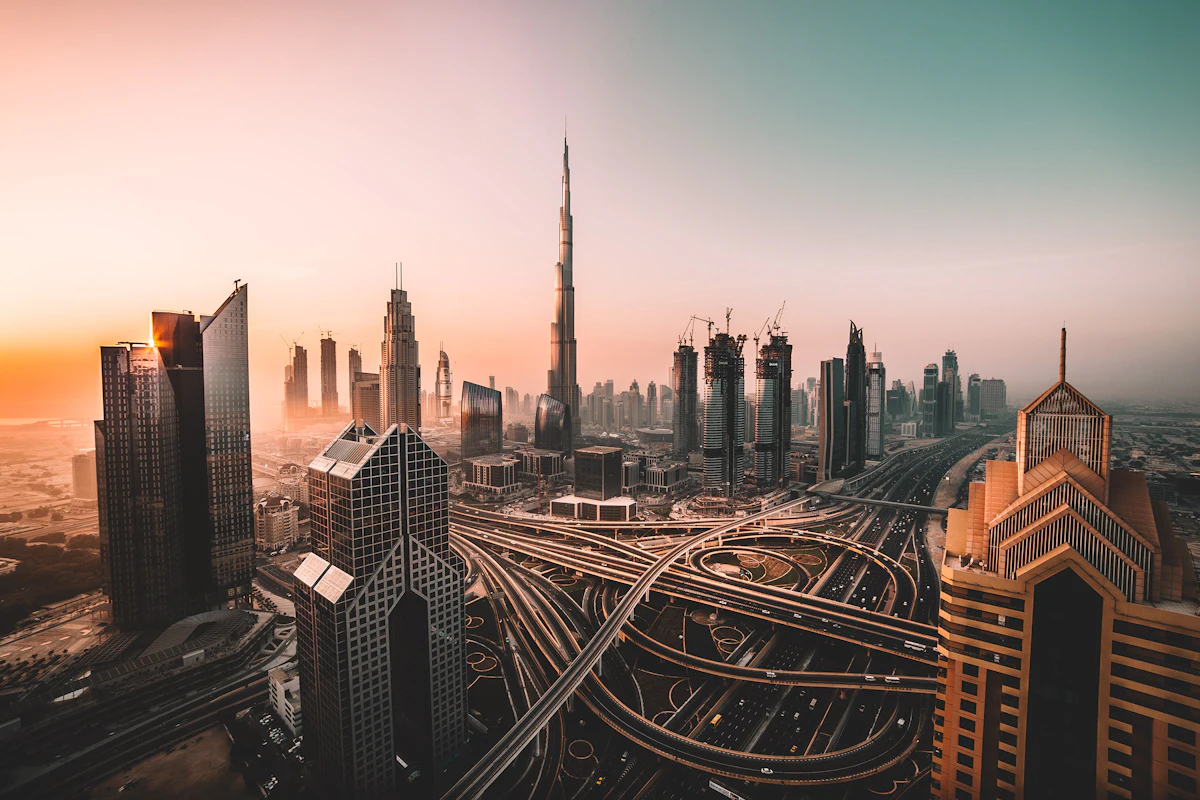
Dubai, yabancı yatırımcılar için önemli bir merkez olmaya devam ediyor. Gayrimenkul işlemlerinin %32'si BAE vatandaşı olmayan kişiler tarafından gerçekleştiriliyor. Özellikle serbest mülk alanlarında liberal düzenlemelerle sağlanan bu mülk edinim imkanı, gayrimenkul yatırımı yapmak isteyenler için c
Dubai, Yabancı Yatırımcılar İçin Cazip Bir Seçenek
Dubai, yabancı yatırımcılar için önemli bir merkez olmaya devam ediyor. Gayrimenkul işlemlerinin %32'si BAE vatandaşı olmayan kişiler tarafından gerçekleştiriliyor. Özellikle serbest mülk alanlarında liberal düzenlemelerle sağlanan bu mülk edinim imkanı, gayrimenkul yatırımı yapmak isteyenler için cazip hale geliyor.
Güçlü ekonomik altyapısı ve modern altyapısı ile Dubai, yatırım portföylerini çeşitlendirmek isteyen zengin yatırımcılar ve expatriat'lar için ideal bir seçim oluşturuyor.
Kime Uygun?
Kira getirisi elde etmek veya kişisel ikamet amacıyla serbest mülk seçenekleri arayan yabancı bireyler.
BAE'nin serbest ekonomik bölgelerinde ticari geliştirme fırsatlarına ilgi duyan yatırımcılar.
Dinamik bir gayrimenkul pazarında güvenli ve uzun vadeli bir yatırım hedefleyen expatriat'lar.
Kime Uygun Değil?
Kısa vadeli yatırım fırsatları arayan bireyler, çünkü BAE gayrimenkul piyasası daha uzun bir geri dönüş döngüsüne sahiptir.
Yerel yasalar konusunda daha basit bir çerçeve arayan yatırımcılar, çünkü yerel yasal düzenlemeleri anlamak karmaşık olabilir.
Önemli Gerçekler
Dubai'deki gayrimenkul işlemlerinin %32'si yabancı alıcılar tarafından gerçekleştirilmektedir.
Serbest mülk sahipliği, tam mülkiyet hakkı sunarken, kira sözleşmesi ve intifa hakkı gibi seçenekler farklı yatırım stratejilerine hitap eder.
Dubai'deki önemli serbest mülk alanları arasında Business Bay, Dubai Marina ve Palm Jumeirah yer alıyor.
Abu Dabi'nin serbest mülk bölgeleri arasında Saadiyat Adası ve Yas Adası gibi önemli lokasyonlar bulunmaktadır.
Bölge ve Pazar Analizi
BAE'deki gayrimenkul manzarası emirlikler arasında önemli farklılıklar göstermektedir. Her emirlik, yabancı mülk edinimine yönelik kendi kurallarını belirlerken, Dubai kapsamlı serbest mülk bölgeleri ile öne çıkıyor. Abu Dabi ve Ras Al Khaimah gibi diğer emirlikler de yabancı yatırımcılara açık alanlar sunarak sektörü daha cazip hale getiriyor.
Dubai 2026'da Değerli mi?
Geleceğe bakıldığında, Dubai'nin dinamik yapısı ve uluslararası çekiciliği, yatırımcılar için uzun vadede cazibesini koruyacağını gösteriyor. Yabancı yatırımcılar, burada güvenli ve karlı bir mülk yatırımı yapma fırsatını değerlendirebilirler.
Merilista Değerlendirmesi
Dubai, yabancı yatırımcılar için mükemmel bir fırsat sunuyor. Geniş serbest mülk alanları ve güçlü ekonomik altyapısı ile burası, yatırım yapmayı düşünenler için kesinlikle değerlendirilmeye değer bir pazar.
Ortak içerik
our content partner ile ortaklık içinde dağıtılmıştır.
Piyasa verisi feragatnamesi
Merilista'daki veriler, Eurostat, ulusal istatistik enstitüleri, Dubai Tapu Dairesi ve Türkiye Cumhuriyet Merkez Bankası gibi kamuya açık resmi kaynaklardan temin edilmektedir. Tüm piyasa sinyalleri, MERI puanları, getiri tahminleri ve trend göstergeleri yalnızca bilgilendirme amaçlıdır ve finansal veya yatırım tavsiyesi niteliği taşımaz. Gayrimenkul piyasaları değişime tabidir — geçmiş performans gelecekteki sonuçları garanti etmez. Yatırım kararları vermeden önce bağımsız bir araştırma yapın veya lisanslı bir danışmanla görüşün.
MERI (Merilista Gayrimenkul Endeksi) özel bir karşılaştırmalı modeldir. Sertifikalı bir finansal endeks değildir ve yatırım kararları için tek başına temel olarak kullanılmamalıdır.
Bu şehri keşfedin
Doğrulanmış piyasa verileri


BAE'de mi ilgileniyorsunuz?
Bir uzman danışmanla konuşun. Ücretsiz, taahhütsüz.
Mülkleri göz atın →