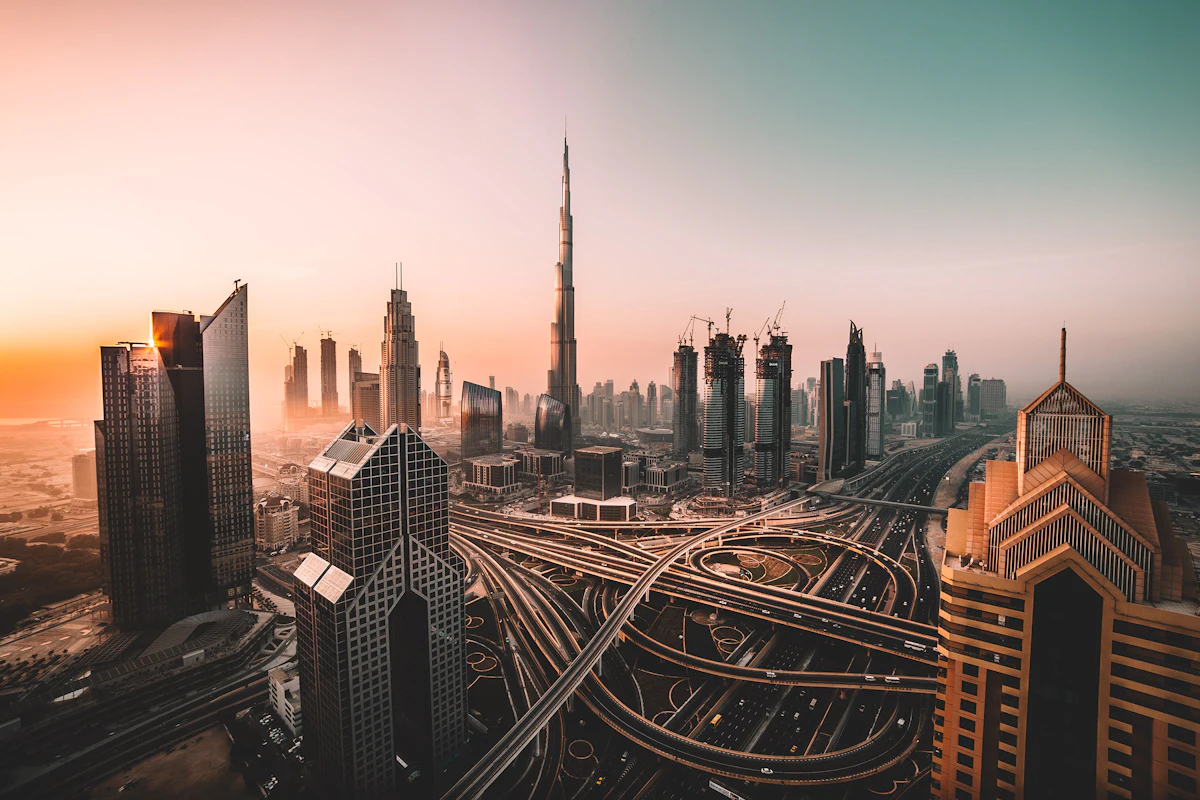
Discover how foreigners can buy land in the UAE: Learn the rules, regulations, and step-by-step process for purchasing property in the Emirates.
Primary insight
Dubai remains a prominent destination for foreign investors, with more than 32% of its property transactions attributed to non-UAE nationals. The emirate's framework allows such ownership under liberal regulations, particularly in designated freehold areas, making it an attractive market for those looking to invest in real estate.
This accessibility, combined with a robust economic backdrop and modern infrastructure, positions Dubai as an optimal choice for affluent investors and expatriates aiming to diversify their portfolios or secure long-term residency.
Who this is right for
Foreign nationals seeking freehold property options for personal residence or rental income.
Investors interested in commercial development opportunities within the UAE’s free economic zones.
Expatriates aiming for a secure, long-term investment in a dynamic real estate market.
Who this is NOT right for
Individuals looking for short-term investment opportunities, as the UAE property market has a longer cycle for returns.
Investors who prefer countries with simpler legal frameworks, as navigating the local laws can be complex without proper guidance.
Key facts
32% of property transactions in Dubai are conducted by foreign buyers.
Freehold land ownership allows full title ownership, while leasehold and usufruct options cater to diverse investment strategies.
Major freehold areas in Dubai include Business Bay, Dubai Marina, and Palm Jumeirah.
Abu Dhabi's freehold zones include key locations such as Saadiyat Island and Yas Island.
Area and market breakdown
The property landscape in the UAE varies significantly across emirates, each establishing its own rules governing foreign ownership. Dubai leads with comprehensive freehold zones, while other emirates like Abu Dhabi and Ras Al Khaimah have also opened up select areas for foreign investors, enhancing the attractiveness of the overall sector.
Is Dubai worth it in 2026?
Looking ahead, the demand for property in Dubai is expected to remain strong, fueled by ongoing economic diversification initiatives and an influx of expatriates. This trend will likely solidify Dubai's position as a hub for both leisure and business investment, contrasting with slower growth markets in Europe such as Spain, which have experienced more stringent property investment regulations.
Merilista verdict
The Dubai property market stands out for its robust growth potential and flexibility for foreigners, especially when compared to European markets where access can be more complicated and costly. Its liberal ownership laws and strategic geographical position make it a prime choice for investors seeking solid returns. Investing in Dubai's real estate not only offers lucrative opportunities but also provides a gateway to a vibrant lifestyle in one of the world's most dynamic cities.
合作伙伴内容
与our content partner合作分发。
市场数据免责声明
Merilista上的数据来源于包括Eurostat、国家统计机构、迪拜土地局和土耳其中央银行在内的公开官方来源。所有市场信号、MERI分数、收益估算和趋势指标仅供参考,不构成财务或投资建议。房地产市场可能会发生变化——过去的表现并不能保证未来的结果。在做出投资决策之前,请进行独立的尽职调查或咨询持牌顾问。
MERI(Merilista房地产指数)是一个专有的比较模型。它不是一个认证的金融指数,不应作为投资决策的唯一依据。
经过验证的市场数据


