Meridian Market Intelligence
Learn the difference between freehold and leasehold in Dubai. Make the right choice for investment, residency, and long-term property planning.
Primary insight
Dubai is characterized by its dual property ownership structure, with approximately 30% of the residential market actively involving foreign investors in freehold properties. This distinct difference allows expatriates to possess full rights over their properties in specific areas, making it an attractive option for those looking to establish long-term residency while enjoying potential investment benefits.
Understanding the implications of freehold versus leasehold ownership is essential for expatriates and investors alike. Each choice directly influences control over property, long-term financial strategies, and residency status, which are critical factors for success in Dubai’s dynamic real estate landscape.
Who this is right for
Long-term expatriates seeking full property ownership in Dubai.
High-net-worth individuals interested in investment opportunities with high resale potential.
First-time home buyers wanting a manageable entry cost into Dubai's real estate market.
Who this is NOT right for
Short-term investors looking for quick profits; the leasehold model may limit their exit strategy and hold them to fixed-term agreements.
Buyers who prefer absolute ownership without restrictions, as leasehold properties do not grant land ownership.
Key facts
Freehold properties allow complete ownership rights, while leasehold properties are limited to fixed terms that can span 30 to 99 years.
Expatriates can only purchase freehold properties in designated areas approved by the Ruler of Dubai.
The legal framework for property rights is established under Law No. 7 of 2006, distinguishing freehold from leasehold ownership.
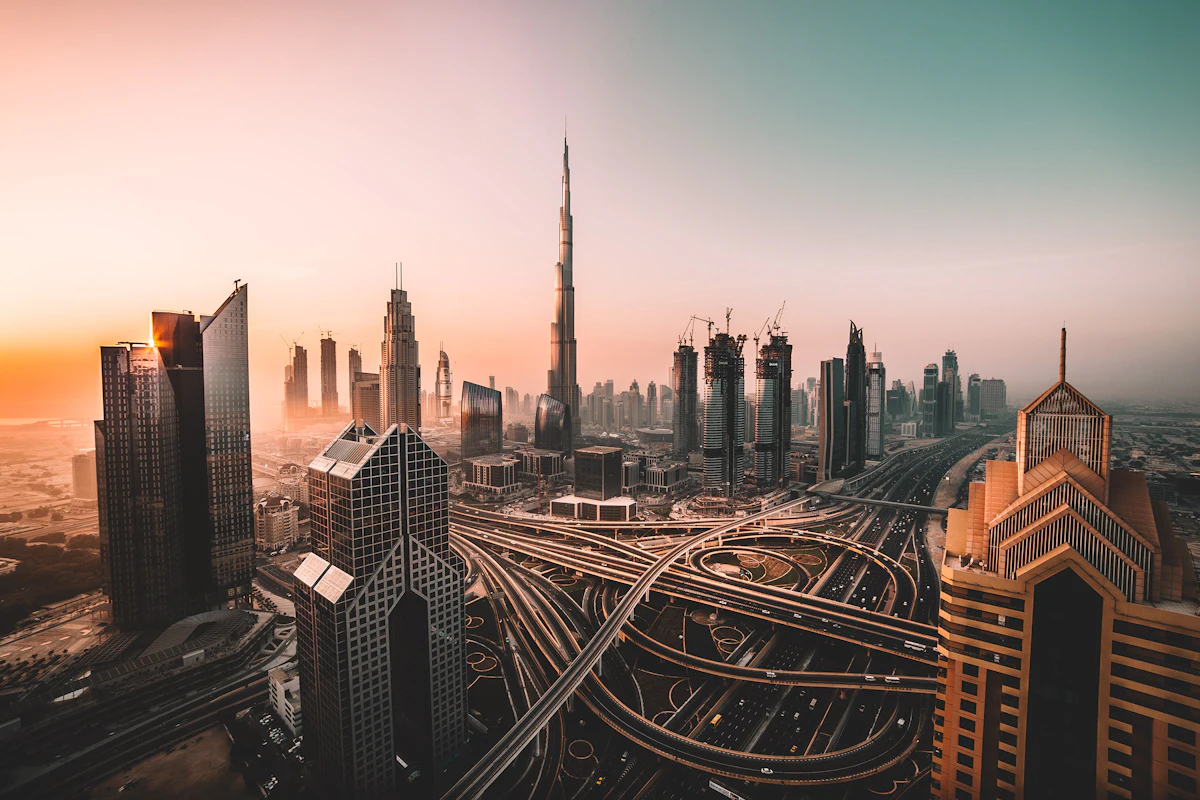
Dubai's designated freehold zones include high-demand areas like Palm Jumeirah and Downtown Dubai, enhancing their investment appeal.
Area and market breakdown
Dubai's real estate market is distinctly segmented into freehold and leasehold zones, catering to a diverse array of investment strategies. The freehold areas are significantly more popular among expatriates, offering complete ownership rights, while leasehold zones mainly attract those looking for lower entry costs without the need for ownership of the land.
Is Dubai worth it in 2026?
By 2026, Dubai’s property landscape is expected to continue evolving, fostering both stability and growth. With an increasingly favorable regulatory environment and a focus on high-quality infrastructure, the economic fundamentals of Dubai support ongoing investment. However, prospective investors must evaluate their commitment to either long-term ownership or the temporary benefits of leasehold arrangements.
Merilista verdict
The advantage of freehold ownership in Dubai positions it as a superior choice compared to leasehold properties, especially for those eyeing long-term investment. Unlike markets in Spain, where expatriates face stricter residency laws, Dubai’s inclusive ownership options strengthen its draw for international investors. Securing a property in Dubai, particularly in freehold zones, translates to tangible long-term value and a steady pathway to residency, solidifying Dubai's place as a pivotal hub for global real estate investment.
合作伙伴内容
与our content partner合作分发。
市场数据免责声明
Merilista上的数据来源于包括Eurostat、国家统计机构、迪拜土地局和土耳其中央银行在内的公开官方来源。所有市场信号、MERI分数、收益估算和趋势指标仅供参考,不构成财务或投资建议。房地产市场可能会发生变化——过去的表现并不能保证未来的结果。在做出投资决策之前,请进行独立的尽职调查或咨询持牌顾问。
MERI(Merilista房地产指数)是一个专有的比较模型。它不是一个认证的金融指数,不应作为投资决策的唯一依据。
经过验证的市场数据


